German Army Uniform
Description
General Overview:
-
Purpose: Designed for protection, functionality, and identification of German soldiers in various periods.
-
Distinct Periods: Most iconic during WWI, WWII, and the post-WWII Bundeswehr era.
Key Features of the German Army Uniform:
1. World War I (WWI) Uniforms:
-
Pickelhaube: Spiked leather helmet, initially worn by German soldiers.
-
Field Grey (Feldgrau): The standard uniform color, intended for camouflage.
-
Tunics & Breeches: Woolen tunics with four pockets and breeches or trousers tucked into knee-high boots.
-
Insignia: Rank and unit badges on the collar and shoulder epaulets.
-
Boots: Tall leather boots for protection and mobility.
2. World War II (WWII) Uniforms:
-
Stahlhelm: Steel helmet, providing better protection than the Pickelhaube, symbolizing the German army during WWII.
-
Field Grey (Feldgrau): Continued use of grey-green color with variations for different military branches.
-
M36 Field Uniform: Standard infantry uniform with a tunic and high collar.
-
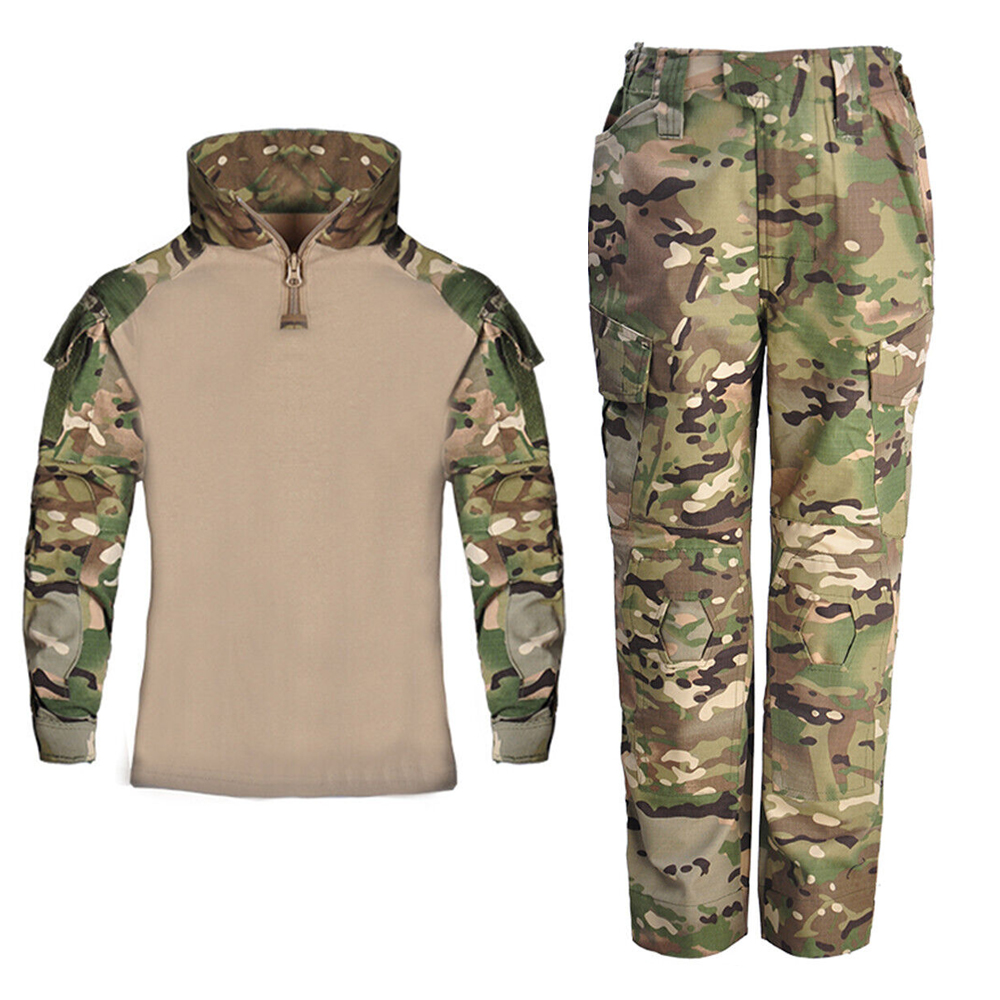
Camouflage Patterns: Introduced in 1943, particularly splinter camo for specialized units.
-
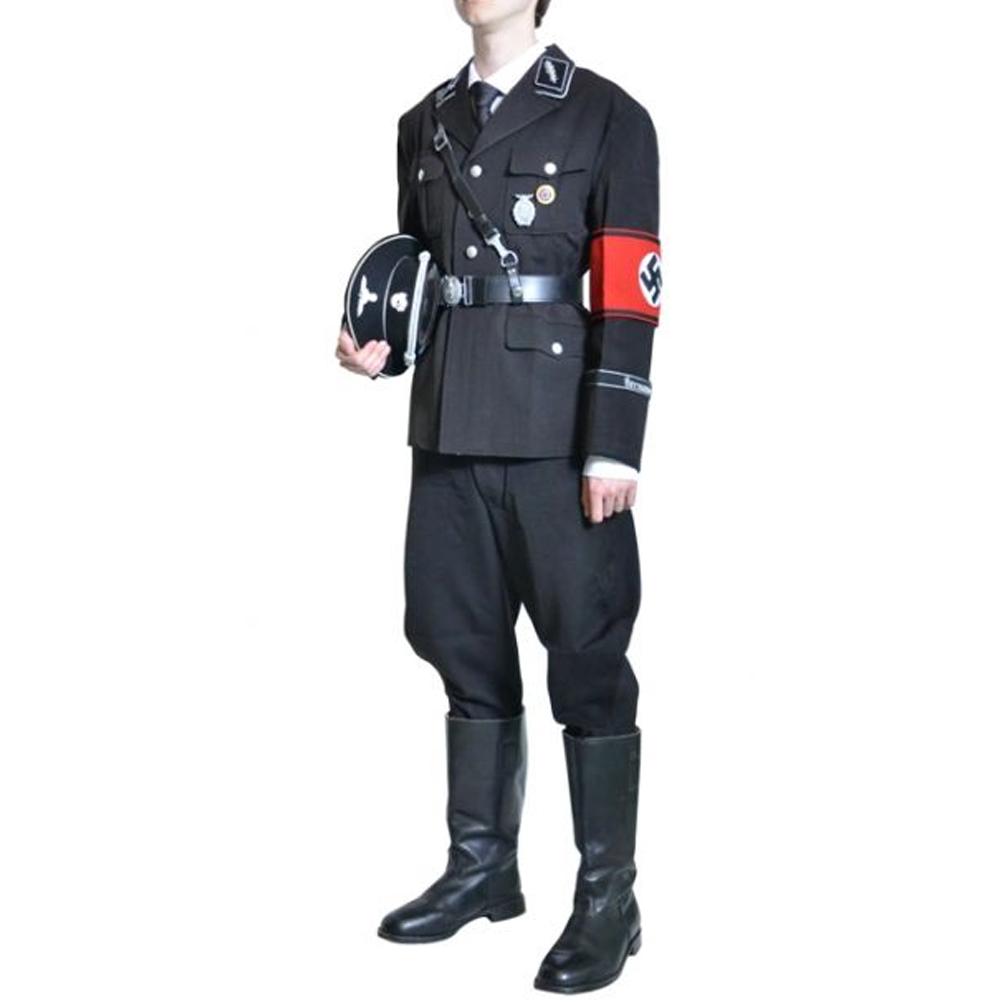
Waffen-SS Uniforms: Separate design with black or field grey tunics, with distinct SS insignia.
-
Insignia: Shoulder boards, collar tabs, and cuff titles to denote rank and unit.
-
Gaiters & Boots: Used with the uniform for leg protection in rough terrain.
-
Additional Gear: Gas masks and survival equipment were part of the uniform for protection.